

Neil Santos Site

SAFETY

Well-Characterized Safety Profile and Low Rates of Discontinuation

Adverse Reactions Were Mostly Grade 1 or 21

Safety findings reflect the full trial population (N=619), which included patients with and without identified ESR1 mutations.

Most common (≥10%) adverse reactions1*

VEPPANU (n=312)

Fulvestrant (n=307)

Adverse Reaction

All Grades (%)

All
Grades (%)

Grade 3 (%)

Grade
3 (%)

All Grades (%)

All
Grades (%)

Grade 3 (%)

Grade
3 (%)

Musculoskeletal and connective tissue disorders

Musculoskeletal pain†

30

2.6

23

1

General disorders

Fatigue†

29

1

16

1.3

Gastrointestinal disorders

Nausea

14

0

9

1

Constipation

10

0

3.3

0

Metabolism and nutrition disorders

Decreased appetite

11

0.3

5

0

Investigations

Electrocardiogram QT prolonged

10

1.6

1.3

0.3

*Adverse reactions were graded using NCI CTCAE version 5.0.
†Includes multiple related terms.

No grade 4 adverse reactions were observed in the VERITAC-2 study1

Select laboratory abnormalities (≥10%) that worsened from baseline1

VEPPANU (n=312)‡

Fulvestrant (n=307)§

Laboratory Abnormality

Laboratory
Abnormality

All Grades (%)

All
Grades (%)

Grade 3/4 (%)

Grade
3/4 (%)

All Grades (%)

All
Grades (%)

Grade 3/4 (%)

Grade
3/4 (%)

Hematology

White blood cell count decreased

White blood cell
count decreased

33

0.3

15

0.7

Hemoglobin decreased

24

2.3

20

3.6

Neutrophils decreased

23

2.3

13

0.7

Platelets decreased

10

1.3

11

1.3

Chemistry

Aspartate aminotransferase increased

Aspartate
aminotransferase
increased

31

1.6

23

1.7

Alanine aminotransferase increased

Alanine
aminotransferase
increased

22

0.6

23

1.0

Alkaline phosphatase increased

Alkaline
phosphatase
increased

21

0

23

0.3

Blood potassium decreased

Blood potassium
decreased

14

2.6

6

0.3

Bilirubin increased

14

1.0

8

1.3

‡The denominator used to calculate the rate varied between 308 and 310 based on the number of patients with a baseline value and at least one posttreatment value.
§The denominator used to calculate the rate varied between 302 and 303 based on the number of patients with a baseline value and at least one posttreatment value.

97% of Patients Stayed on VEPPANU Without Discontinuing Due to ARs1

LOW DISCONTINUATION AND DOSE REDUCTION RATES
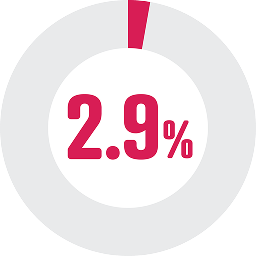
of patients discontinued VEPPANU
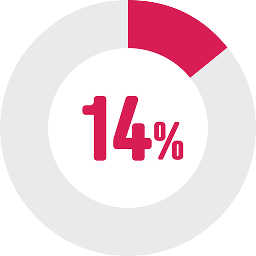
of patients needed dose interruptions
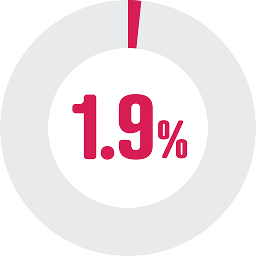
of patients needed dose reductions

Discontinuation and Dose Rates Caption

2.9% of patients discontinued VEPPANU

14% of patients needed dose interruptions

1.9% of patients needed dose reductions

Adverse reactions that led to dosing modifications1

  • Permanent discontinuation occurred due to increased ALT and dyspnea (0.6% each)
  • ARs that required dose reductions were electrocardiogram QT prolonged, fatigue, and musculoskeletal pain# (0.3% each)

Most common (≥10%) adverse reactions1

The most common (≥10%) adverse reactions were decreased white blood cells, increased AST, musculoskeletal pain, fatigue, decreased hemoglobin, decreased neutrophils, increased ALT, increased alkaline phosphatase, nausea, decreased blood potassium, increased bilirubin, decreased appetite, electrocardiogram QT prolonged, decreased platelets, and constipation.

Other adverse reactions1

  • Serious adverse reactions occurred in 9% of patients who received VEPPANU, including any fracture (1.3%); fall, hypercalcemia, hepatic injury, pneumonia, musculoskeletal pain (0.6% each); and QTc prolonged (0.3%)
  • – The largest mean increase in QTc interval was 12 ms (upper CI: 15 ms) at the recommended dosage of 200 mg once daily
  • Clinically relevant adverse reactions in <10% of patients who received VEPPANU included headache, hot flush, diarrhea, vomiting, bradycardia, and urinary tract infection
Dose reductions of fulvestrant were not permitted.2
#Includes multiple related terms.1

ALT=alanine aminotransferase; CTCAE=Common Terminology Criteria for Adverse Events; NCI=National Cancer Institute; QT=QT interval; QTc=corrected QT interval.

REFERENCES

1. VEPPANU [package insert] South San Francisco, CA: Rigel Pharmaceuticals, Inc. 2. Campone M, De Laurentiis M, Jhaveri K, et al. Vepdegestrant, a PROTAC estrogen receptor degrader, in advanced breast cancer. N Engl J Med. 2025;393(6):556-568. doi:10.1056/NEJMoa2505725

VEP_BC-26092 1026
